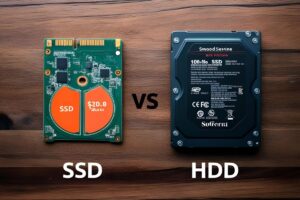
How To Data Recovery Services From Hard Drive Not Detected?
If your hard drive is not detected by your computer, it can be a major issue, especially if there is important data stored on it. While this situation can be stressful, there are various ways to attempt recovery before considering professional services. Here’s a step-by-step guide on how to recover data from a hard drive that is not detected by your system.
1. Check the Basics
Before diving into recovery methods, ensure that the issue isn’t as simple as a loose connection or faulty cable.
- Check the Power: Make sure your hard drive is powered on. If it’s an external hard drive, check the power cable and connection.
- Try Different Ports: Connect the hard drive to a different USB port to rule out any issues with the specific port.
- Test on Another Computer: Plug the hard drive into another PC to determine whether the problem is with the hard drive itself or your computer’s USB ports.
- Check the Cables: Replace the USB or power cables to ensure they are not faulty.
If the hard drive works on another computer or with a different cable, the issue may be with your system’s USB port or power supply.
2. Use a Data Recovery Software
If your hard drive is still not detected, data recovery software can help. One popular option is Difficult Drive Data Recovery Services Tool, which can help recover files from an undetected hard drive by scanning the drive completely without causing further data loss. Here’s how you can use it:
- Install the Software: Download and install the data recovery tool on your computer.
- Connect the Hard Drive: Connect your undetected hard drive to the computer.
- Scan the Drive: Launch the recovery software and choose the undetected drive for scanning. The software will attempt to detect and recover files from the drive.
- Restore Data: Once the scan is complete, select the files you wish to recover and restore them to a safe location on your computer.
Data recovery software typically offers a trial version that allows you to check if the tool can find and restore your files before purchasing a full version.
3. Use Command Prompt (CMD)
If your hard drive is still undetected, you can use the Command Prompt (CMD) to check if the drive can be found and attempt recovery. Be cautious when using CMD, as incorrect commands can permanently erase files.
Steps to Use CMD for Recovery:
- Open Command Prompt as an administrator:
- In the Start menu, search for “CMD,” right-click on it, and select Run as administrator.
- Type
diskpartand press Enter to open the disk partition tool. - Type
list diskand press Enter. This will list all the connected drives to your system. - Look for the undetected hard drive in the list. If the drive appears, you can try to assign it a drive letter by typing: shellCopyEdit
select disk XReplaceXwith the number corresponding to the undetected drive. - Next, type: shellCopyEdit
assign letter=ZReplaceZwith any unused drive letter. - After assigning the letter, you can try accessing the drive through File Explorer.
Warning: Be extra cautious while using diskpart, as it can permanently erase data if misused.
4. Check Disk Management
Sometimes a hard drive is physically connected but not visible in File Explorer due to partition issues. You can check Disk Management to see if it’s recognized by the system:
- Right-click on the Start button and select Disk Management.
- Look for your undetected hard drive in the lower section.
- If the drive shows up but isn’t assigned a letter, right-click on the drive and choose Change Drive Letter and Paths.
- Assign a new drive letter and check if the drive is accessible.
If the drive shows as Unallocated, you may need to recover the partition using third-party recovery tools or professional services.
5. Use a Data Recovery Service
If none of the above methods work and the data is crucial, it may be time to consider professional data recovery services. These services can recover data even from severely damaged drives. However, they can be costly.
Before opting for professional help, make sure the drive hasn’t suffered physical damage, like scratching of the platters or damage to the internal components, as these issues might render data recovery impossible.
6. Prevent Future Issues
Once you’ve recovered your data, consider taking preventive steps to avoid future data loss:
- Regular Backups: Regularly back up your data to an external hard drive or cloud storage.
- Use Safe Eject Practices: Always use the “Safely Remove Hardware” option when disconnecting external drives to prevent corruption.
- Avoid Physical Damage: Handle your hard drives carefully to avoid physical shocks or damage that could lead to data loss.
Conclusion
A hard drive that’s not detected can cause significant frustration, especially if important data is stored on it. By using recovery software, checking basic connections, using CMD or Disk Management, and relying on professional services when necessary, you can increase your chances of retrieving lost data. Always back up your data regularly to prevent loss in the future.