
Data Recovery Deleted Files From USB Flash Drive
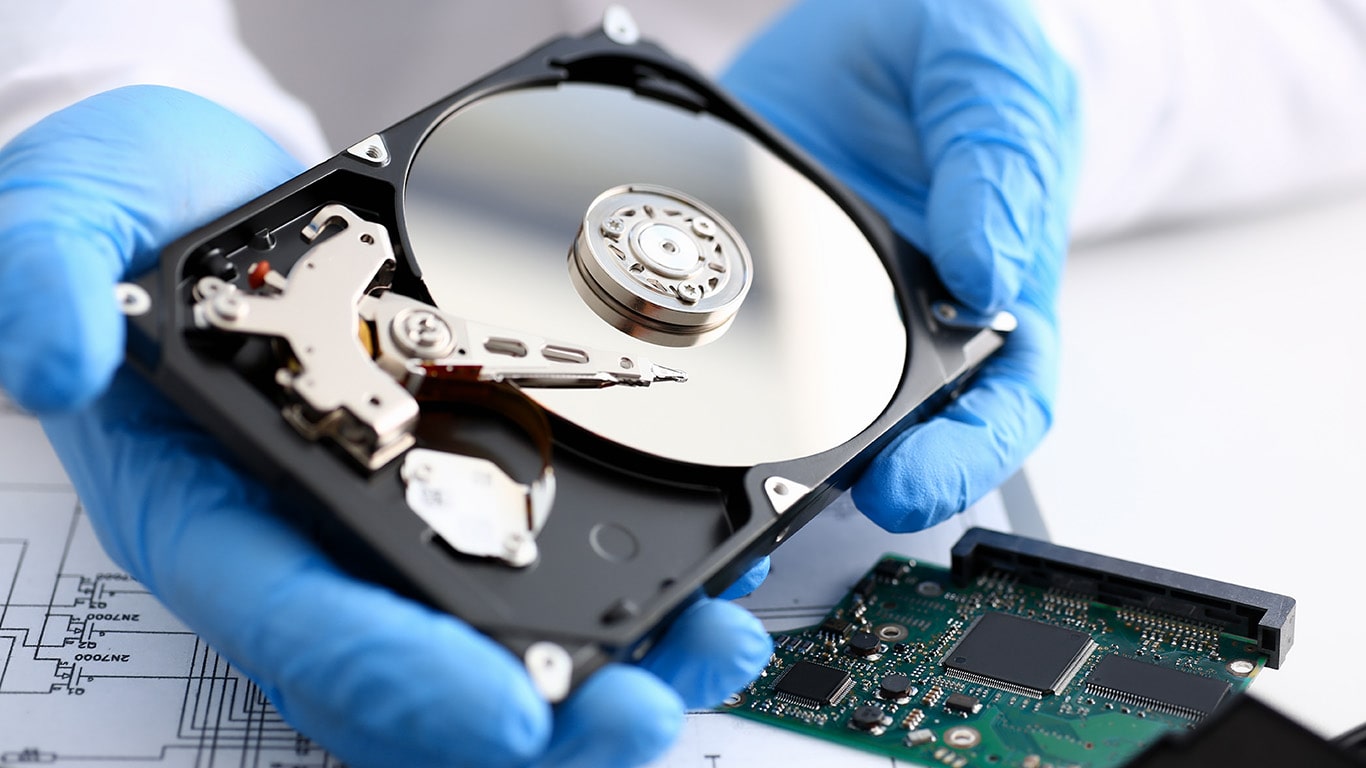
Losing important files from a USB flash drive can be frustrating, especially if you don’t have a backup. Whether files were accidentally deleted, lost due to formatting, or became inaccessible due to corruption, there are effective ways to recover them.
Understanding Data Loss on USB Flash Drives
In today’s digital world, most of our important documents, photos, and videos are stored on electronic media. USB flash drives have become a convenient and portable way to store and transfer data. However, just as data can be lost instantly due to physical disasters like fire, electronic data loss can happen in seconds due to a virus attack, hardware failure, or accidental formatting.
Fortunately, while physical data loss is often irreversible, electronic data recovery is possible with the right tools and methods.
Common Causes of Data Loss on USB Drives
Understanding the reasons behind file loss can help you prevent future issues. Some common causes include:
Physical Damage – A damaged USB drive might become unreadable.
Accidental Deletion – Deleting files without realizing their importance.
Formatting Errors – Formatting the drive accidentally erases all data.
Corruption – Power failures, improper ejection, or bad sectors can corrupt files.
Virus or Malware Attacks – Malicious software can delete or encrypt files.
Methods to Recover Deleted Files from a USB Flash Drive
If you have lost files, don’t panic. Here are the most effective methods to recover them:
1. Use a Data Recovery Software
Professional data recovery programs can scan and restore lost files. One such tool is RS Partition Recovery, which helps recover files from USB flash drives and other storage devices. It works with various file formats, including documents, photos, and videos.
Steps to Recover Files Using RS Partition Recovery:
- Download and Install the Software – Install RS Partition Recovery on your computer.
- Connect the USB Drive – Insert the flash drive into a USB port.
- Scan for Lost Files – Launch the program and select the USB drive for scanning.
- Preview and Recover – The software will display recoverable files. Choose the ones you need and save them to a secure location.
2. Check the Recycle Bin
If you deleted the files while the USB drive was connected to a Windows computer, they may have been moved to the Recycle Bin. Open it and check if your files are still there.
3. Use Windows File History or Backup
If you have enabled File History or have a backup, you can restore lost files:
- Navigate to the folder where the file was stored.
- Right-click and select Restore Previous Versions.
- Choose the latest available version and restore it.
4. Use Command Prompt (CMD) for Recovery
You can try restoring lost files using Command Prompt:
- Open Command Prompt – Press
Win + R, typecmd, and hit Enter. - Run CHKDSK – Type:
chkdsk X: /f(ReplaceXwith the USB drive letter.) - Recover Hidden Files – Type:
attrib -h -r -s /s /d X:*.*Press Enter and check if files reappear.
5. Seek Professional Data Recovery Services
If the USB flash drive is physically damaged or software recovery fails, a professional data recovery service may be your best option. These services have specialized tools to retrieve data from severely damaged devices.
Tips to Prevent Data Loss on USB Flash Drives
To avoid future data loss, consider these preventive measures:
- Regular Backups – Always keep a backup of important files on cloud storage or an external drive.
- Use Reliable Antivirus Software – Protect your USB drive from malware and viruses.
- Safely Eject the Drive – Always eject the USB drive properly before removing it.
- Avoid Using the Drive in Multiple Devices – Frequent use on different systems may increase corruption risks.
Conclusion
Losing files from a USB flash drive can be stressful, but recovery is often possible with the right approach. Whether you use RS Partition Recovery, Windows File History, CMD commands, or professional recovery services, there are multiple ways to restore your data. Always practice safe storage habits and keep backups to minimize the risk of data loss in the future.