Data Recovery From Damaged Hard Drive Heads
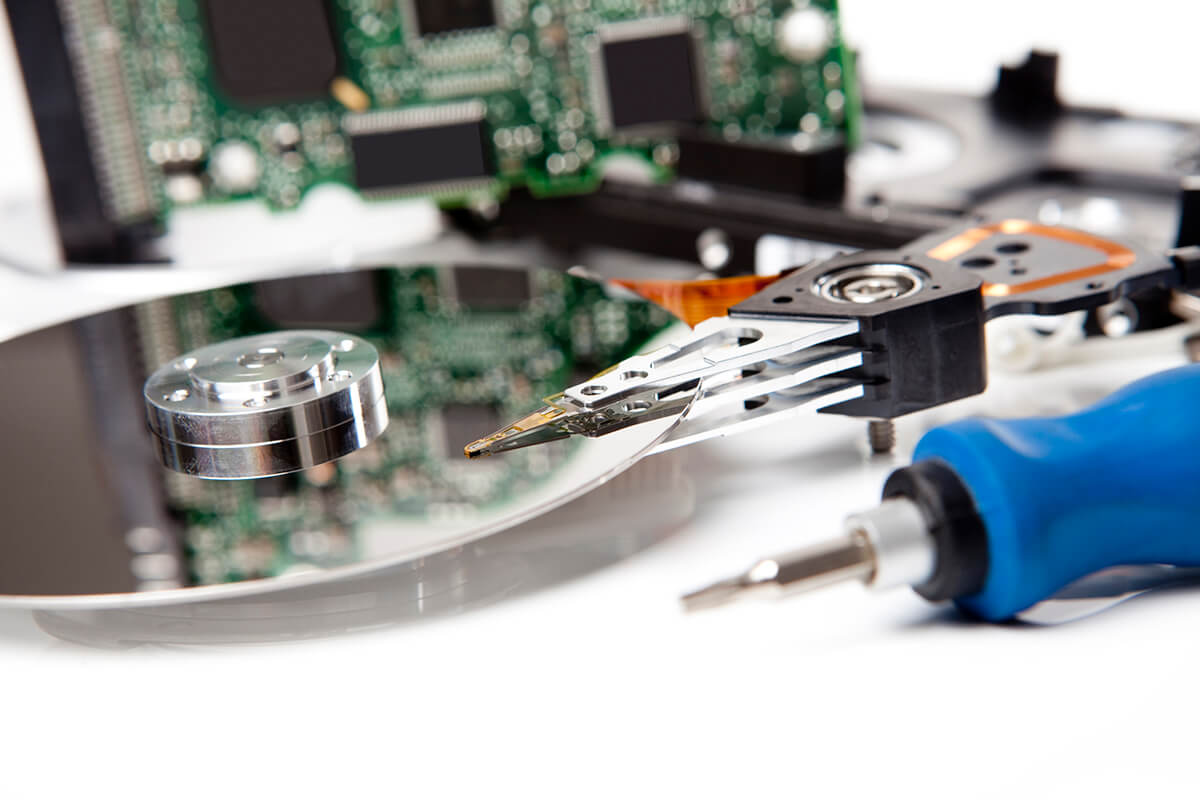
A hard drive is a delicate device that contains moving parts, including the read/write heads and platters, where data is stored. When the read heads experience physical damage, data recovery becomes challenging and may require specialized expertise. Here’s a breakdown of the issues involved and the possibilities for data recovery.
Understanding the Read/Write Head Mechanism
The read/write heads are responsible for reading data from or writing data to the platters inside the hard drive. These heads are designed to float a few microns above the platters, maintaining a delicate balance to prevent any contact. If the heads come into direct contact with the platters, damage is inevitable, potentially leading to permanent data loss.
Causes of Head Damage:
Degradation of the Head/Platter Interface: Over time, wear and tear can cause degradation in the quality of the filter or mechanism that separates the heads from the platters, leading to contact and eventual damage.
Physical Shock or Drop: A hard drive that has been dropped or subjected to physical shock can cause the read heads to come into contact with the platters, leading to mechanical damage.
Dust or Particles: If particles enter the hard drive casing, they can interfere with the heads and cause them to crash into the platters.
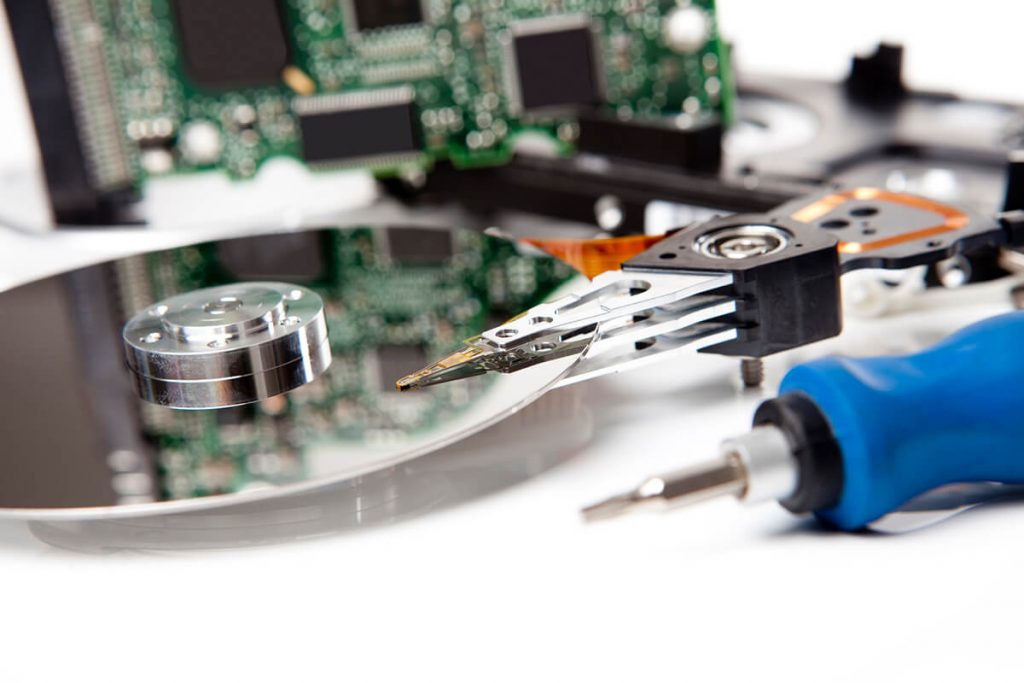
Impact of Physical Damage to Hard Drive Heads
When the heads touch the platters, it can cause significant issues:
- Head Crash: If the heads hit the platters, they can physically damage the platter surface, potentially destroying or corrupting the data stored there.
- Platters Scratching: If the heads scrape or scratch the platters, the data in those areas may become unreadable, leading to data loss.
- Irreversible Damage: In extreme cases, such as after a severe shock, the platters may become physically damaged to the point where they are no longer usable. This makes data recovery impossible.
Data Recovery Possibilities
- When Read/Write Heads are Slightly Damaged: If the heads are partially damaged but the platters are intact, there’s a chance that the heads can be replaced to recover the data. This involves carefully removing the damaged head block and installing a new one in a cleanroom environment.
- When Platters are Intact: If the read heads are damaged but the platters are in good condition, replacing the damaged heads could enable access to the data. The data recovery service will attempt to read data from the healthy areas of the platters.
- When Platters Are Irreparably Damaged: If the platters suffer from irreversible physical damage such as scratches, cracks, or distortion, recovery is not possible. In this case, no amount of head replacement or intervention can help, as the data is physically destroyed.
- Firmware Corruption: If the firmware (the software responsible for the hard drive’s operation) is corrupted, this may make the hard drive inaccessible, even if the heads and platters are undamaged. In such cases, data recovery may require firmware repair before accessing the data.
Key Considerations for Data Recovery
- Immediate Action: If your hard drive is showing signs of damage, it’s essential to stop using it immediately to prevent further damage. Continued use can worsen the issue and reduce the chances of a successful recovery.
- Professional Data Recovery: Head replacement and recovery from physical damage require specialized tools and a controlled environment, such as a cleanroom, to avoid contamination. If you suspect head or platter damage, it’s best to seek the help of a professional data recovery service.
- Backup Data Regularly: To avoid data loss from physical damage, it’s important to back up your data regularly. This ensures that, even in the case of hardware failure, you have a copy of your important files.
Conclusion
Recovering data from a hard drive with damaged read heads is possible, but the chances of success depend on the extent of the damage. If only the heads are damaged and the platters are intact, replacement of the heads may restore data access. However, if the platters are physically damaged, data recovery becomes nearly impossible. Always consult a professional data recovery service if you suspect damage to your hard drive, and remember that prevention through regular backups is the best way to safeguard your data.