10 Best Data Recovery Services Technology Can Change World
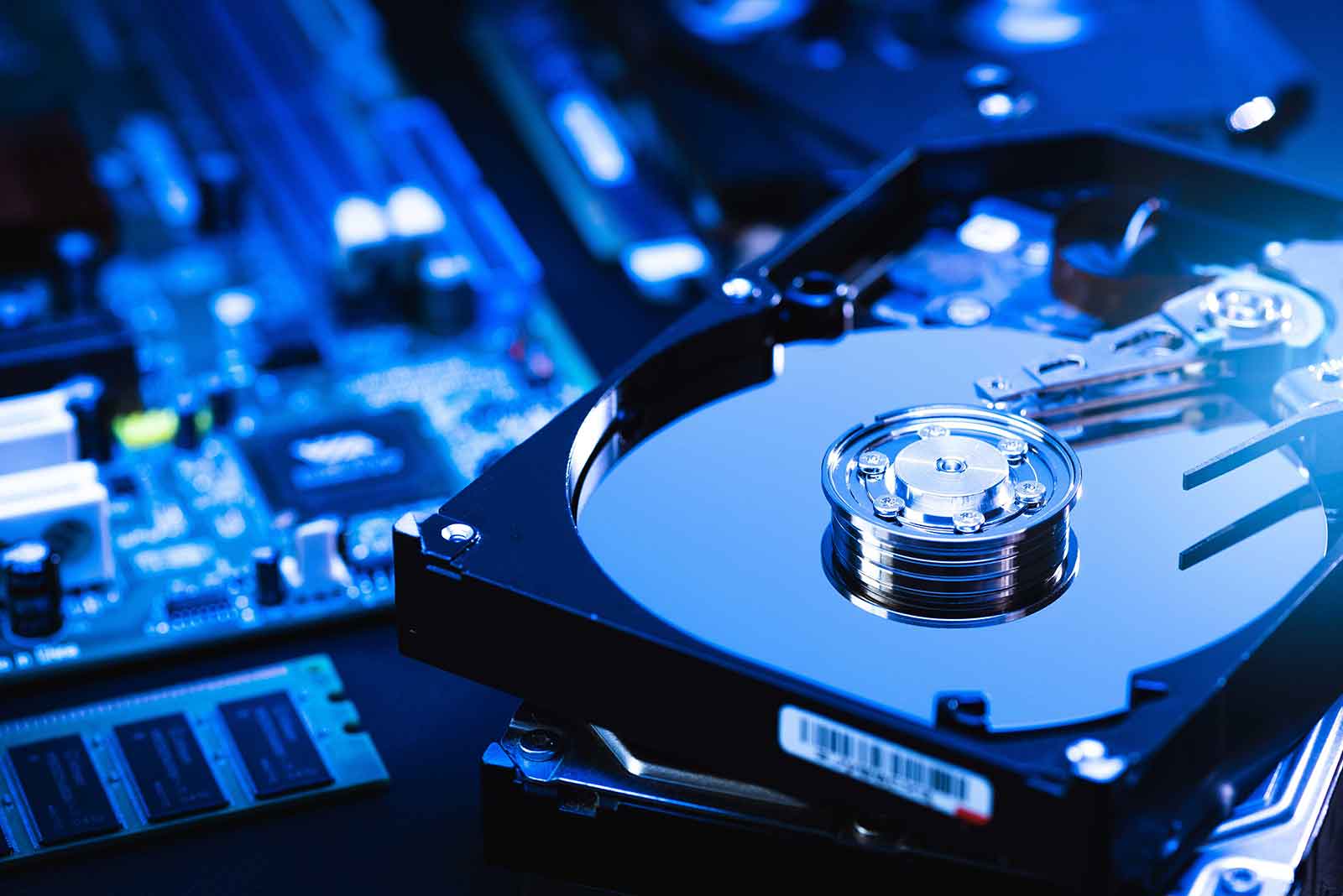
Technology is evolving at an unprecedented rate, directly influenced by the increasing computational power in use. While disruptive technology remains unpredictable, experts can still forecast trends that may reshape industries and everyday life. At Cisco Live, Dave Evans, chief technologist and futurist for Cisco IBSG, highlighted key advancements that could redefine the future. Below are ten groundbreaking data recovery services and technological trends that hold the potential to transform the world.
1. Cloud-Based Data Recovery Services
Cloud technology is revolutionizing data storage and recovery. It is predicted that within a short time, a third of all data recovery services will operate through the cloud, offering real-time data accessibility and security. Cloud-based recovery can help businesses and individuals quickly restore lost data, minimizing downtime and improving efficiency.
2. AI-Driven Data Recovery
Artificial Intelligence (AI) is significantly enhancing data recovery processes by automating error detection, predicting potential failures, and improving recovery speeds. AI-powered tools can analyze corrupted data, reconstruct lost files, and provide seamless restoration with minimal human intervention.
3. 3D Printing and Data Storage
3D printing is transforming multiple industries, and it has the potential to influence data recovery by developing new storage mediums. Future innovations may include printing complex circuits and storage devices that can quickly recover lost information, reducing hardware failure risks.
4. Video Internet and High-Speed Data Transfer
With the rise of video-based content, data transfer demands are increasing exponentially. In 2011 alone, 1.2 zettabytes of data were created. To accommodate this surge, advanced networks are being developed to enhance data recovery speeds and optimize storage solutions.
5. Nanotechnology in Data Recovery
Nanobots in medical settings are already being explored, but their application in data recovery is also promising. These microscopic devices could be programmed to repair damaged storage sectors, recover lost files, and optimize memory allocation.
6. Interplanetary Networking for Data Integrity
The concept of an interplanetary network is emerging, allowing data to travel vast distances without interference. This could play a crucial role in disaster recovery scenarios, ensuring seamless access to critical information from anywhere in the universe.
7. Internet of Things (IoT) and Smart Data Recovery
The number of IoT devices connected to the internet has surpassed the number of people online. By 2030, over 50 billion devices will be interconnected, providing continuous data backup and real-time recovery solutions through smart networks.
8. AI-Powered Robotics for Data Restoration
Experts predict that by 2032, robots may surpass human intelligence in many fields, including data recovery. AI-powered robots could take over complex restoration tasks, analyzing large data sets, repairing corrupted files, and securing sensitive information more efficiently than humans.
9. Solar-Powered Data Centers
Researchers from Oregon State University have discovered how to print solar cells using inkjet printers. This technology could lead to self-sustaining data centers, reducing energy costs and making large-scale data recovery more environmentally friendly and accessible.
10. Human-Machine Integration for Secure Data Storage
Future advancements may lead to hybrid human-machine species, where neural interfaces store and retrieve data directly from the human brain. While still theoretical, this innovation could redefine data storage and recovery, making information retrieval faster and more secure.
Conclusion
The future of data recovery is filled with possibilities, from AI-powered solutions and nanotechnology to interplanetary networking and human-machine integration. As technology continues to advance, businesses and individuals must stay informed about the latest trends to ensure secure and efficient data management. The innovations highlighted above will play a crucial role in shaping how we store, access, and recover critical information in the coming decades.