Why SSD Drives Make Data Recovery Difficult
In recent times, the use of new storage units as an alternative to hard drives for Data Recovery has become widespread. These are SSDs, or solid-state drives, which differ significantly from traditional hard drives in their operation and technology.
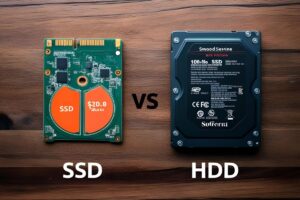
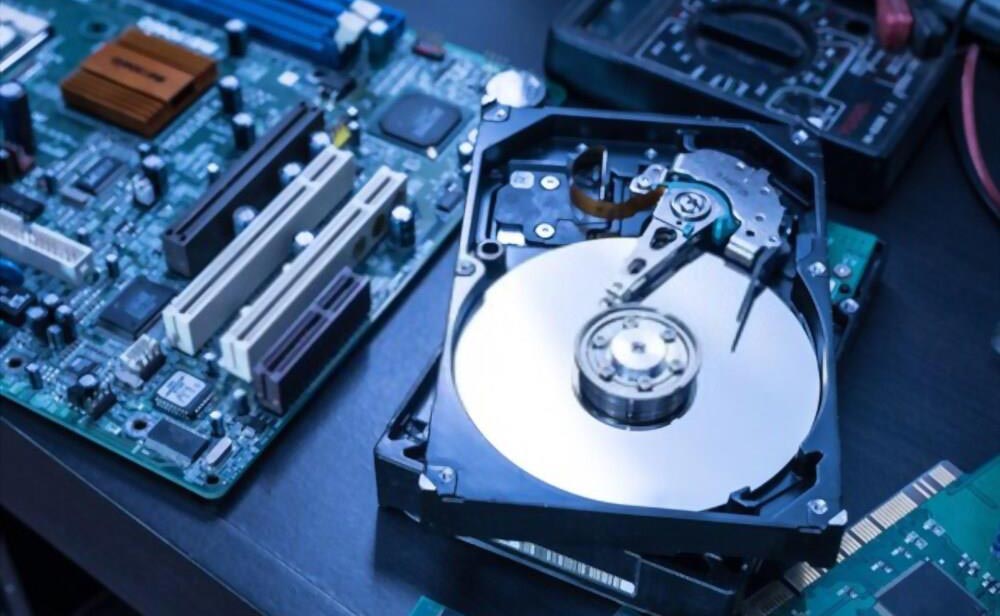
Unlike conventional hard drives, SSDs have no moving components, such as magnetic platters, read heads, or motors. The only element that SSDs usually share with conventional disks is the electronic controller and, in most cases, a connection interface such as SATA. SSDs are based on flash memory technology—similar to USB flash drives and SD cards.

How Are SSDs Better than Conventional Hard Drives?
The primary advantage of SSDs over conventional hard drives is their superior response speed. Conventional drives take time to start up, as motors must spin magnetic platters, and read heads need to position themselves. Each read or write operation involves waiting for platters to rotate and heads to move.
In contrast, SSDs operate purely with flash memory, allowing for near-instantaneous data reading and writing. This results in much faster response times and nearly immediate readiness after startup.
Challenges of Data Recovery with SSD Drives
While SSDs provide faster speeds, they present unique challenges for data recovery. In conventional hard drives, deleted data can often be retrieved because it remains on the drive until overwritten. However, SSDs handle deleted data differently. Many SSDs employ TRIM commands, which automatically clean out deleted data to optimize performance, making recovery much more difficult.
If you experience data loss or accidental deletion on an SSD, it’s essential to power off the device immediately. Continuing to use the SSD increases the risk that the drive’s self-maintenance processes will permanently erase the data. This is where the expertise of a Computer Forensics Company can prove invaluable. Professionals can attempt to retrieve lost data before it becomes irretrievable, utilizing specialized tools and knowledge to handle the complexities of SSD data recovery.
What to Do in Case of Data Loss on an SSD
When data loss occurs on an SSD, it’s critical to avoid using the drive further to prevent permanent data overwriting. Computer Forensics Companies are equipped with advanced techniques to recover data from SSDs, even when traditional methods fall short. They understand the unique intricacies of flash memory and can often recover data that would otherwise be lost due to the TRIM function or drive failure.
Conclusion
SSDs provide faster and more reliable performance compared to conventional hard drives, but their handling of deleted data makes recovery challenging. In the event of accidental data loss, shutting down your device and consulting a Computer Forensics Company is the best way to ensure you have the highest chance of recovering your information.